Landscaping Frequently
Asked Questions
Get answers to common questions about landscaping, irrigation, and outdoor living in Spokane. Our team has compiled this resource based on questions we frequently receive from homeowners throughout our service area.
- Home
- »
- Landscaping Frequently Asked Questions
FAQs
Frequently Asked Questions
Landscape Design & Installation
Landscaping costs vary widely depending on the scope of your project, materials selected, and site conditions. Small projects might start around $5,000, while complete landscape renovations for larger properties can range from $20,000 to $100,000+. During our consultation, we’ll discuss your goals and budget to develop a plan that works for you.
Project timelines depend on size and complexity. Small projects might take 3-4 days, medium projects typically require 2-3 weeks, and larger renovations can take 1-3 months. Weather, material availability, and project complexity all affect timelines. We’ll provide a detailed schedule during the proposal process.
Some landscaping projects require permits, particularly those involving structures, significant grading, or work near environmentally sensitive areas. Retaining walls over a certain height, electrical work for landscape lighting, and water features may require permits. We’ll handle the permitting process for you when needed.
While we work year-round, spring and fall are ideal for most planting. Hardscaping projects can be completed throughout the year, weather permitting. Winter is an excellent time for planning and design, ensuring you’re ready for installation when spring arrives. For the best scheduling options, we recommend contacting us several months before your desired installation time.
We provide detailed care instructions for all our installations. Depending on your needs, we can also develop a maintenance plan or schedule regular service visits. Proper watering, seasonal cleanup, and timely pruning are key to keeping your landscape looking its best.
Irrigation & Water Management
Watering needs vary based on plant type, soil conditions, sun exposure, and seasonal temperatures. Generally, established lawns in Spokane need about 1-1.5 inches of water per week during summer, preferably delivered in 2-3 deep waterings rather than daily light sprinklings. New plantings require more frequent watering until established. Our irrigation systems can be programmed to provide optimal watering schedules.
In Spokane, sprinkler systems should typically be winterized by mid-October, before the first hard freeze. Proper winterization includes blowing out all water from the pipes, valves, and sprinkler heads to prevent freeze damage. We offer professional winterization services to protect your irrigation investment.
Irrigation system costs depend on your property size, layout, and specific needs. Basic systems for average residential properties typically range from $3,000-$6,000, while larger or more complex systems can cost more. Smart controllers and water-saving features may add to the initial cost but provide long-term savings. We provide detailed estimates based on your specific property.
A properly installed and maintained irrigation system can last 15-20 years, with some components potentially needing replacement sooner. Controllers typically last 7-10 years, valves 10-15 years, and pipes 20+ years. Regular maintenance and prompt repairs significantly extend system life. Our irrigation installations include a 2-year warranty on parts and labor.
Yes, we specialize in installing irrigation systems in established landscapes with minimal disruption. Using specialized equipment and techniques, we can install pipes and wiring under existing lawns and around established plants. While some disturbance is unavoidable, our experienced team minimizes impact and ensures proper restoration.
Outdoor Living & Hardscaping
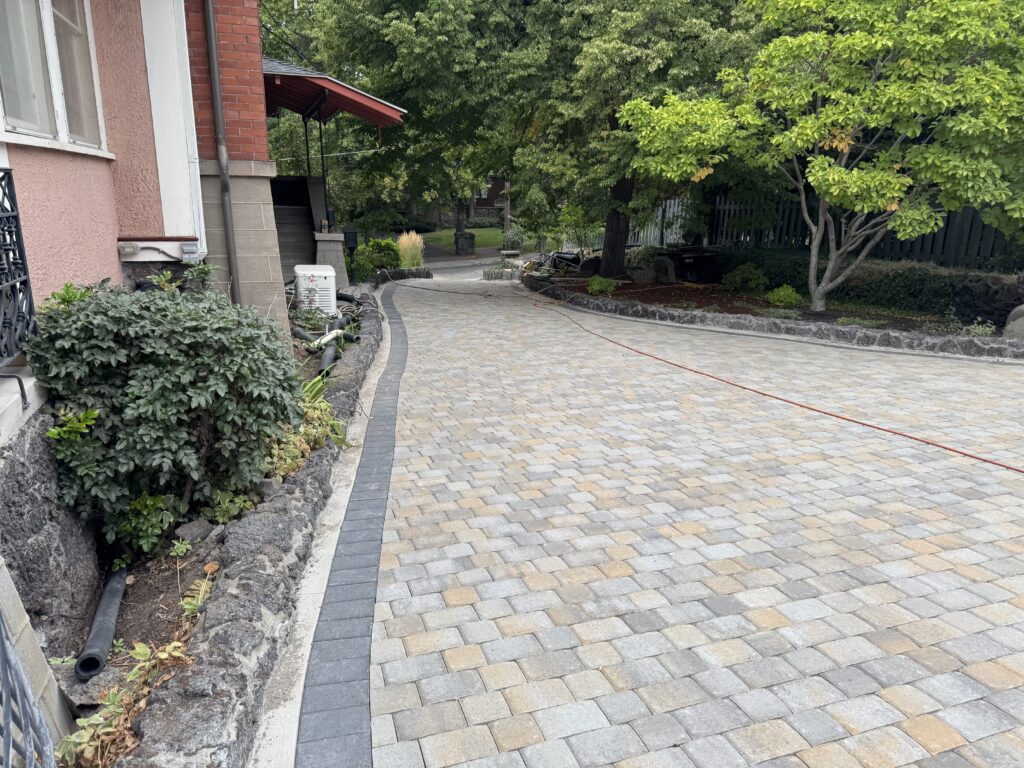
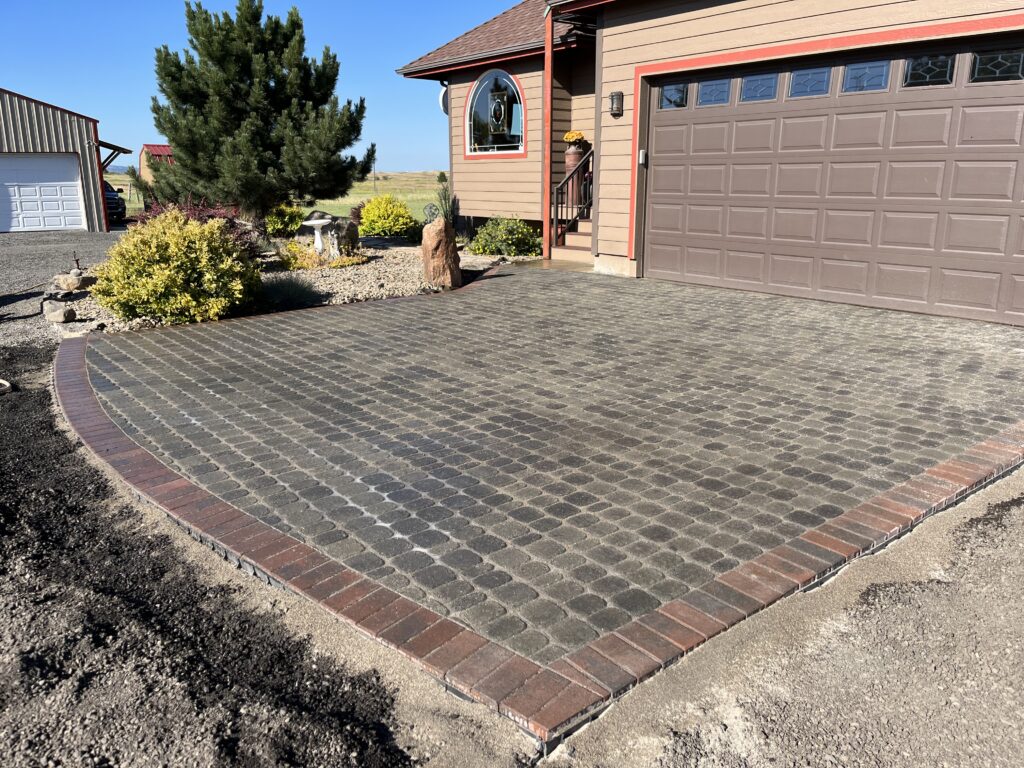
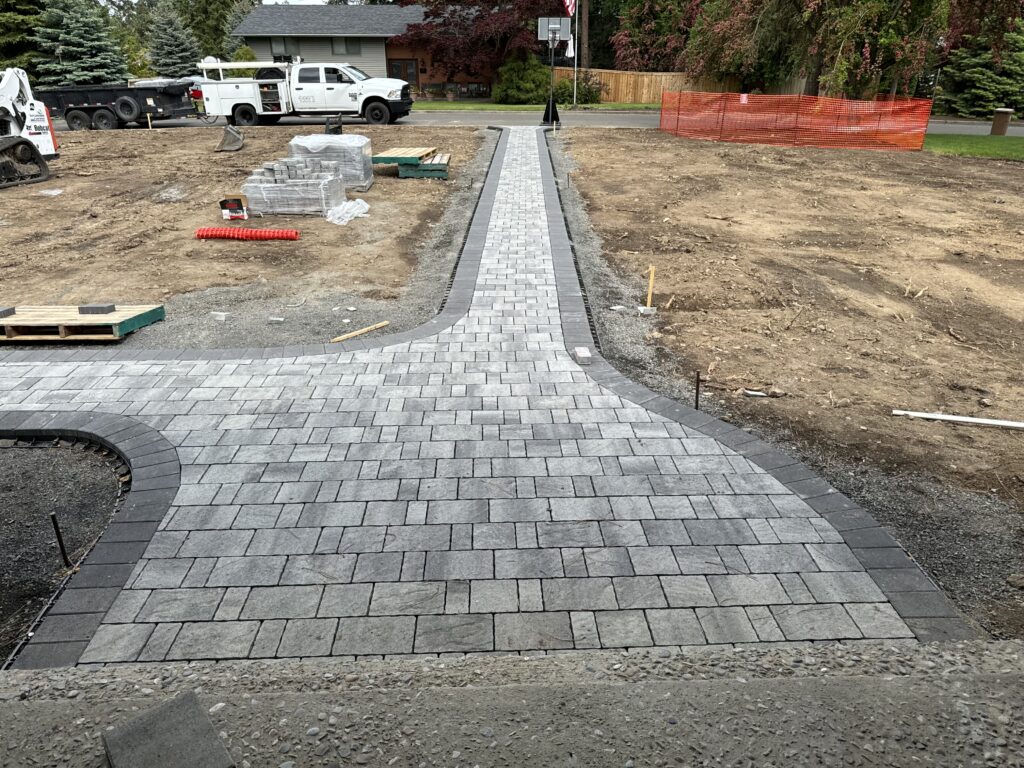
While concrete offers a lower initial cost, pavers provide superior long-term value. Pavers are more durable, easier to repair, and offer greater design flexibility. Unlike concrete, which often cracks in Spokane’s freeze-thaw cycles, properly installed pavers move slightly with ground shifts without cracking. Pavers also offer more color and pattern options and can be installed in phases if needed.
Retaining wall selection depends on several factors: height requirements, aesthetic preferences, budget, and site conditions. Engineered block systems work well for taller applications, while natural stone offers a more organic appearance. During our consultation, we’ll evaluate your site’s specific needs and recommend the best solution for your property and style preferences.
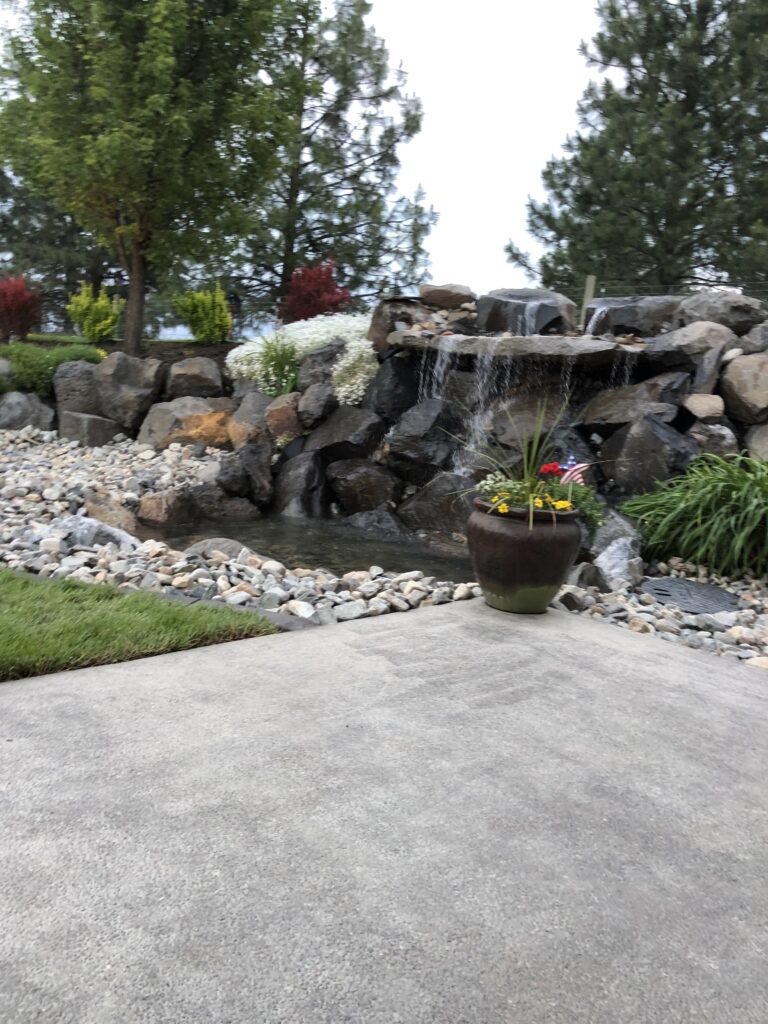
Modern water features are designed for minimal maintenance. Pondless waterfalls and fountains require the least upkeep, needing only occasional cleaning and water top-offs. Pond systems require more attention but can be designed with balanced ecosystems that minimize maintenance. We can recommend the right water feature based on your maintenance preferences and provide seasonal service if desired.
While initial costs can be comparable depending on materials, paver patios typically offer better long-term value. Patios require minimal maintenance, while wood decks need regular staining and eventual board replacement. Patios also last significantly longer, with lifespans of 25+ years compared to 15-20 years for well-maintained decks. Patios provide more design flexibility and can incorporate features like fire pits and outdoor kitchens more easily.
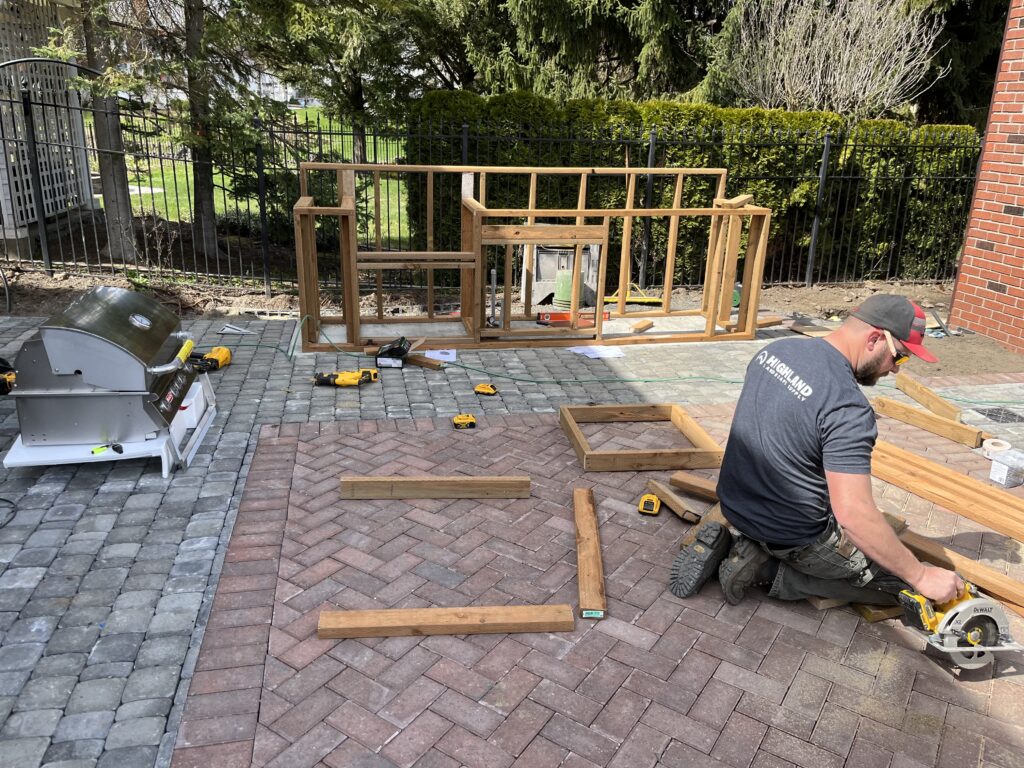
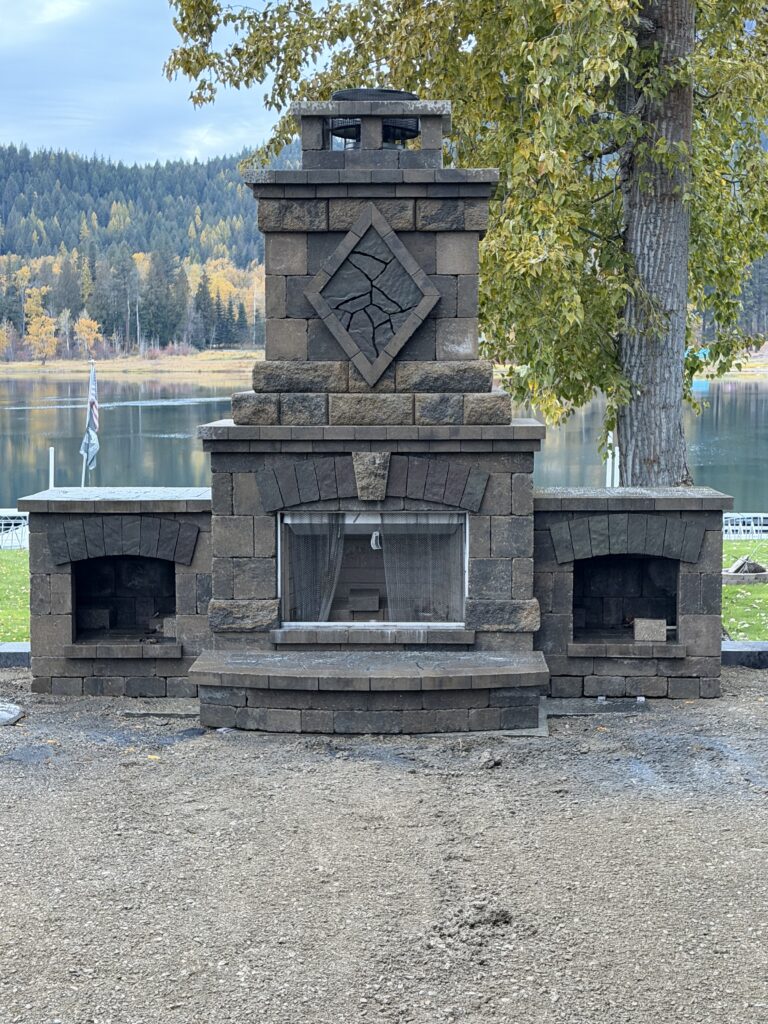
With proper design considerations, outdoor kitchens can be enjoyed for much of the year in Spokane. Key factors include strategic placement for wind protection, covered areas for weather protection, and features like outdoor heaters or fireplaces to extend the season. We design outdoor kitchens with our local climate in mind, selecting appropriate materials and creating comfortable spaces for maximum enjoyment.
Questions You Should Be Asking
Beyond the common questions above, here are important considerations that many homeowners don’t think to ask—but should:
Landscape Design & Installation
Spokane’s climate presents unique challenges: hot, dry summers, cold winters with freeze-thaw cycles, and varying precipitation. Our designs incorporate plants suited to USDA Zone 6, proper soil preparation to retain moisture, mulching techniques to reduce water needs, and hardscape materials that withstand our temperature extremes. We also consider microclimate variations within your property, placing plants where they’ll thrive based on sun exposure and wind patterns.
Property access significantly impacts project logistics and sometimes costs. Narrow gates, steep driveways, overhead obstacles, and limited staging areas can affect equipment choices and material delivery. Before finalizing your project, we’ll evaluate access points, identify potential challenges, and develop solutions—whether that means using smaller equipment, creating temporary access points, or scheduling multiple smaller deliveries instead of one large one.
A common mistake is failing to account for plant growth. We design with both immediate appeal and long-term vision, spacing plants appropriately for mature sizes and selecting species that work together as they grow. We can also create phased implementation plans, allowing the landscape to develop over several seasons while maintaining a cohesive appearance at each stage.
Every landscape requires some maintenance, but the level varies dramatically based on design choices. We’ll have an honest conversation about maintenance requirements and can design specifically for your desired maintenance level—whether that’s a few hours monthly or more intensive care. We’ll also identify which tasks require professional attention versus homeowner care.
Landscape changes inevitably impact water movement across your property. We evaluate existing drainage patterns before design begins and incorporate solutions for potential issues—whether that’s grading adjustments, French drains, dry creek beds, rain gardens, or permeable paving. Proper drainage planning prevents future problems with your home’s foundation, neighboring properties, and plant health.
Irrigation & Water Management
Beyond basic efficiency, advanced water conservation strategies include hydrozoning (grouping plants with similar water needs), soil moisture sensors that prevent watering when unnecessary, pressure regulation to prevent misting and evaporation, and precision nozzles that reduce runoff. We can design your system with these features to reduce water usage by 30-50% compared to conventional systems.
Water pressure and volume are critical factors that many homeowners overlook. Insufficient pressure or volume can lead to poor system performance, while excessive pressure can damage components. Before designing your system, we’ll test your property’s specific conditions and design accordingly, potentially incorporating pressure regulation, storage tanks, or zoning strategies to ensure optimal performance.
Spokane’s dramatic seasonal variations require irrigation adjustments throughout the year. We can install smart controllers that automatically adjust watering based on weather conditions, soil moisture, and seasonal needs. We’ll also program specific seasonal schedules and can provide seasonal adjustment services to ensure your system is always operating optimally for current conditions.
While individual components can be repaired, entire systems eventually become obsolete or inefficient. Signs that replacement might be more cost-effective than repair include frequent leaks in multiple areas, outdated impact sprinklers that waste water, zones that no longer match your landscape needs, inadequate coverage due to plant growth, and controllers that lack modern water-saving features. We can evaluate your existing system and recommend the most cost-effective approach.
Proper irrigation does more than prevent plant death—it promotes optimal health, disease resistance, and root development. Overwatering is as harmful as underwatering, leading to shallow roots, fungal diseases, and nutrient leaching. Our irrigation designs consider specific plant needs, soil conditions, and seasonal changes to create ideal growing conditions that result in stronger, more resilient landscapes that improve with age.
Outdoor Living & Hardscaping
Orientation significantly impacts comfort in outdoor spaces. We consider seasonal sun angles, prevailing wind directions, and views when positioning patios and outdoor kitchens. South-facing spaces provide warmth in spring and fall but may need shade in summer, while east-facing areas offer pleasant morning sun. We’ll analyze your property’s specific conditions to create comfortable spaces usable for the maximum portion of the year.
Spokane’s freeze-thaw cycles make proper base preparation essential for hardscape durability. We install appropriate base depths (typically 6-12 inches depending on application), proper compaction, geotextile fabrics to prevent material migration, and drainage systems to prevent water accumulation under pavers and walls. These invisible elements are the most important factors in preventing settling, heaving, and premature failure.
According to industry studies, professional landscaping and outdoor living improvements typically return 100-200% of their cost at resale—higher than most interior renovations. However, not all outdoor improvements are equal. We can help you prioritize projects that offer the best return for your specific property and neighborhood, focusing on improvements that expand usable space, enhance curb appeal, and address functional needs.
Retrofitting lighting after hardscape installation is costly and often yields suboptimal results. We recommend incorporating lighting conduits, junction boxes, and mounting locations during initial construction, even if you plan to install lighting later. We’ll discuss lighting goals—safety, ambiance, feature highlighting—and ensure your hardscape design accommodates future lighting needs without visible wiring or difficult access points.
Sustainable hardscaping goes beyond using eco-friendly materials. We can incorporate permeable paving systems that reduce runoff and recharge groundwater, design spaces that reduce heat island effects, use local materials to reduce transportation impacts, incorporate recycled materials where appropriate, and create spaces that encourage outdoor living (reducing energy use indoors). We’ll discuss your sustainability priorities and incorporate appropriate strategies.
get started
Still Have Questions?
We’re here to help! Contact us with any additional questions or to schedule a consultation to discuss your specific landscaping needs.